Florida Pedestrian Accident Laws: What You Need to Know in 2026
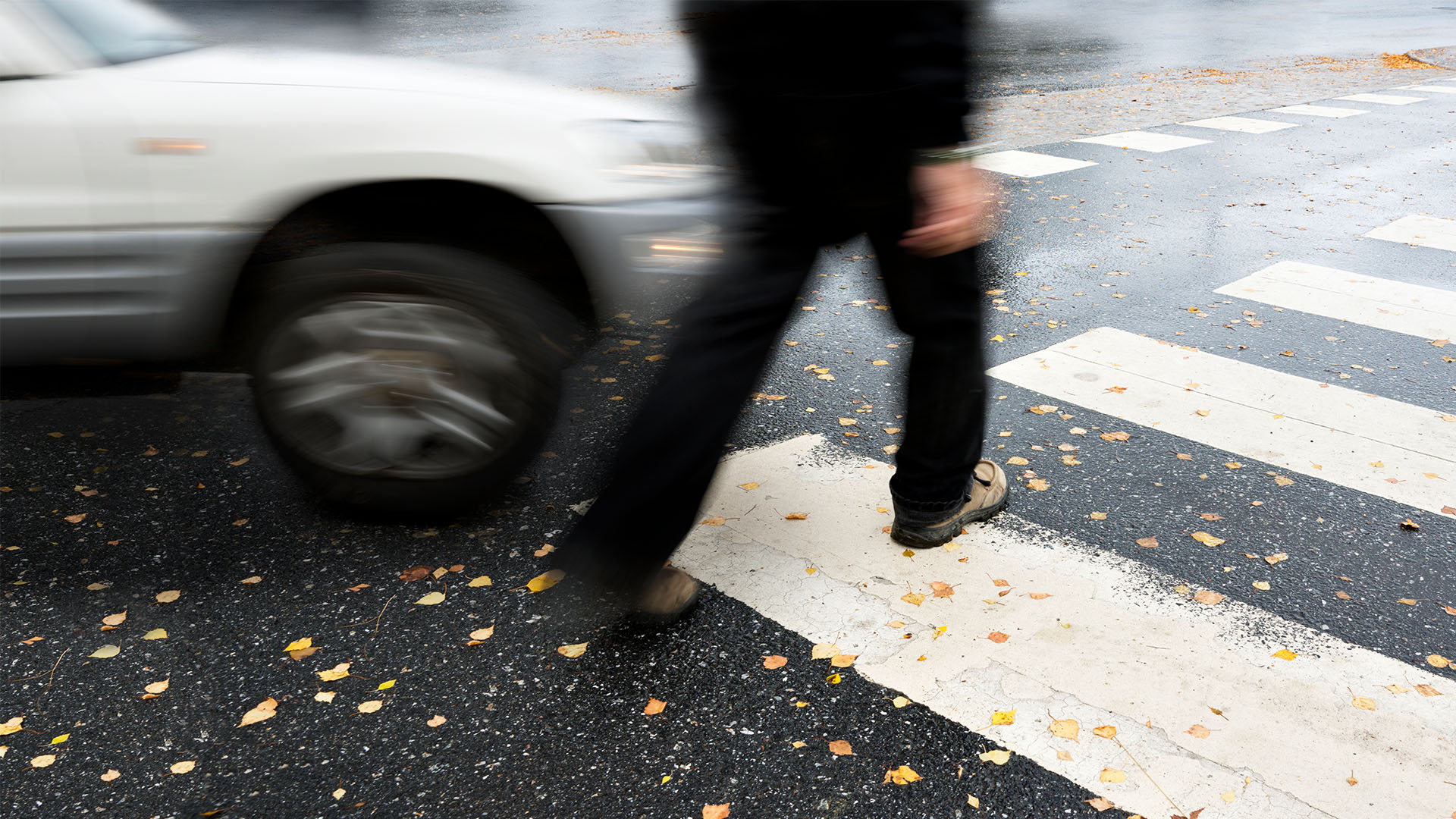
Being hit as a pedestrian is scary and life‑changing. Florida law is designed to balance responsibility between drivers and pedestrians while making sure injured people can get medical care and compensation. This guide explains Florida pedestrian laws in plain English so you know your rights and what to do next.
HOW FLORIDA PEDESTRIAN LAWS WORK
Florida follows a “shared responsibility” system. Pedestrians must follow traffic rules, but drivers have a strong duty to watch for and yield to people on foot—especially in crosswalks.
Florida is also a “no‑fault insurance” state. This means medical bills and lost wages are first paid through insurance, even if the driver caused the accident.
PEDESTRIAN RESPONSIBILITIES
Pedestrians are expected to use reasonable care, including:
- Obeying traffic signals andwalksigns.
• Using sidewalks when they are available.
• If walking on a road with no sidewalk, walking on the left side facing traffic.
• Crossing at crosswalks when possible.
Failing to follow these rules can reduce compensation, but it does NOT automatically eliminate a claim.
DRIVER RESPONSIBILITIES
Drivers must use extreme caution around pedestrians, including:
- Yielding to pedestrians in marked and unmarked crosswalks.
• Stopping when a pedestrian is crossing or entering a crosswalk.
• Never passing another vehicle stopped at a crosswalk.
• Driving at safe speeds and staying alert in pedestrian areas.
Insurance companies often focus on driver mistakes because drivers control a dangerous vehicle.
COMPARATIVE FAULT IN FLORIDA
Florida uses a comparative fault system. This means:
- If a pedestrian is partly at fault (such as jaywalking), compensation may be reduced.
• If the pedestrian is more than 50% at fault, recovery may be limited or barred.
• Each case depends on the facts—not assumptions.
INSURANCE COVERAGE FOR PEDESTRIAN ACCIDENTS
PIP (Personal Injury Protection):
Florida drivers must carry PIP insurance (up to $10,000).
• Pedestrians can use the driver’s PIP or their own auto PIP.
• Covers medical bills and lost wages regardless of fault.
• Medical treatment must begin within 14 days.
Bodily Injury Liability (BIL):
If injuries are serious, you may step outside the no‑fault system.
You can pursue a claim against the at‑fault driver for:
• Pain and suffering
• Permanent injuries or scarring
• Disability or loss of bodily function
• Future medical expenses and lost earning capacity
WHAT TO DO AFTER A PEDESTRIAN ACCIDENT
- Get medical helpimmediately—your health comes first.
2. Call the police and make sure a report is filed.
3. Take photos of the scene, vehicle, injuries, and crosswalks.
4. Get witness names and contact information.
5. Speak with a personal injury lawyer before dealing with insurance companies.
WHY LEGAL HELP MATTERS
Pedestrian cases involve complex insurance rules, fault arguments, and medical proof. Insurance companies often try to blame the pedestrian to reduce payouts.
If you or a loved one was hit by a vehicle, contact Grace Law PA for a free consultation. We will protect your rights, deal with the insurance companies, and fight for the compensation you deserve.
Call us today or visit www.GraceLawPA.com